
GHUCCTS Community-Engaged Research Gives a Voice to the Patient Perspective
This article is one of a series this spring about GHUCCTS
(April 22, 2026) — Community engagement is a critical part of the research process that ensures that a study’s findings meet the needs and improves the lives of the populations being studied. At the Georgetown-Howard Universities Center for Clinical and Translational Science (GHUCCTS), the community engagement team empowers researchers by connecting them with community members or patients who can offer important insights and feedback on their work.

Joseph Verbalis, MD
“To engage a population in a clinical research study and set up meetings with groups for the investigator to talk to about what they’re trying to do and why it’s important, we have a consultation team that will help investigators find out how to engage the community,” said Joseph Verbalis, MD, GHUCCTS co-director.
“Our goal is to engage and support investigators across the consortium to conduct research that is relevant and well-aligned with the needs of the population we serve,” said Seble Kassaye, MD, MS, associate professor of medicine in the Department of Medicine at Georgetown University School of Medicine and medical director of the GHUCCTS Hub Liaison Team.
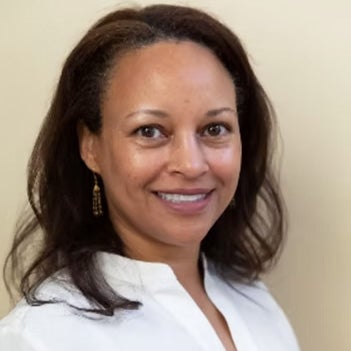
Seble Kassaye, MD
“We provide consultation services to bridge investigators to the community, so researchers design studies that resonate with the community, and to ensure successful recruitment and retention of participants, allowing researchers to answer the key questions that led to their research study,” Kassaye added.
Developing a Community Engagement Plan
Helping researchers with community engagement enables them with a pathway for including the patient’s perspective in their work. “Community-engaged research includes approaches to research that include the community, patient, caregiver voice or other voice in the development of research,” said Florencia Gonzalez, MPH, community-engaged research specialist at GHUCCTS.
Tactics for community engagement exist along a continuum, ranging from simply reaching out to a population to share information about the research, to holding listening sessions, to the establishment of a joint relationship between the researcher and community members in which they work together to make decisions about a study.
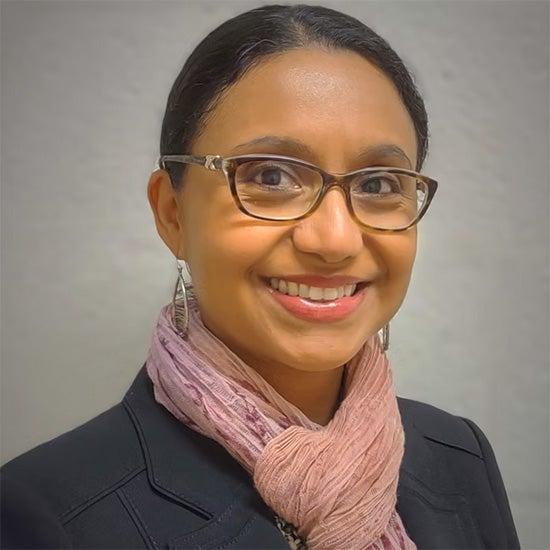
Florencia Gonzalez
“It really is a focus on ensuring that the patient, community or caregiver voice is influencing the research so the research is relevant and meaningful.”“I don’t ever want a researcher to be deterred from including the patient voice, so we provide guidance on a variety of ways to do so,” Gonzalez said. “That is the ultimate goal for us — that the researcher or research team somehow includes the patient or community voice.”
When a researcher requests a consultation, the community engagement team helps the researcher think pragmatically about how they can engage the community with the resources they have.
“We sit and talk about your goals for engagement,” Gonzalez said. “We then decide on a community engagement approach that best fits the study’s needs and is feasible. Then we go through the concrete details of what is necessary to implement for that approach.”
After developing a community engagement plan with the researcher, the engagement team, along with the GHUCCTS recruitment team, can help them by designing informative and eye-catching flyers for events, connecting researchers with relevant community groups, providing letters of support and referrals to other GHUCCTS services, and organizing and facilitating events.
Engaging the Community to Recruit Research Participants
When Lauren N. Smith, MD, met Gonzalez, she asked for her thoughts on recruiting patients from underrepresented minority populations for clinical trials on scleroderma, a chronic autoimmune condition that leads to a thickening of the skin.
“We discussed doing a focus group versus a community engagement studio, and we opted to do a community engagement studio,” said Smith, a rheumatologist at MedStar Georgetown University Hospital and assistant professor of medicine in the School of Medicine.
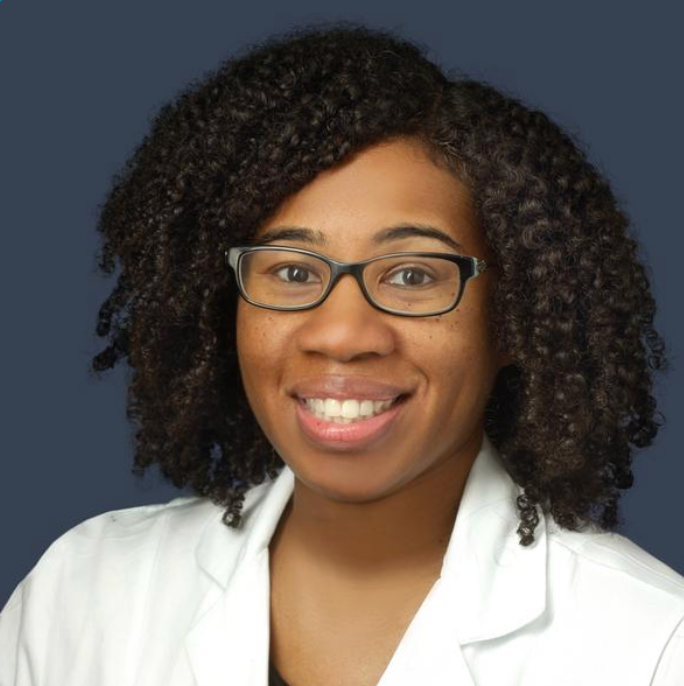
Lauren N. Smith, MD
Gonzalez helped Smith plan the community engagement studio, an approach similar to a focus group where the research team seeks community or patient input for the purposes of enhancing or shaping the study. “She did a really good job organizing it,” Smith said. “She was the facilitator for the event, which was really helpful in terms of helping move things along so I could kind of sit back and listen and hear people’s thoughts and perspectives. And it was a really successful event.”
Motivated by that experience, Smith plans to ask Gonzalez for help planning another community engagement event to “get some more insight in terms of how we can improve enrollment for underrepresented minorities in scleroderma clinical trials,” she said.
“I would highly recommend Florencia and the GHUCCTS department for anyone trying to do clinical trials,” Smith said. “I was really impressed with her leadership, her ability to help and guide, and help me think through what I wanted to get out of it.”
Recognizing Research Participants’ Expertise
For Claire Conley, PhD, assistant professor in the Department of Oncology and a member of the Cancer Prevention and Control Program at Georgetown University’s Lombardi Comprehensive Cancer Center, doing community-engaged research has encouraged her to be transparent with research participants, even when it feels awkward.
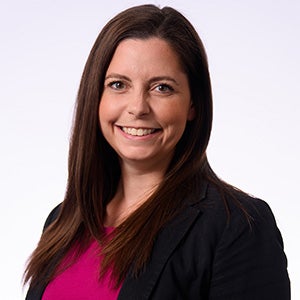
Claire Conley, PhD
“Recruitment for this project is going very slowly, so sometimes I feel like I don’t have news to share, but keeping people in the loop gives me a chance to go to them and say, ‘This is something we’re struggling with, do you have any ideas?’” Conley said. “Learning to get over your embarrassment and being vulnerable can lead to better insights.”
Research participants’ time and expertise is valuable, and Conley feels strongly about compensating research participants for sharing their insights. “My personal soapbox about community engagement is that you have to budget for it and you have to pay people for their time,” she said. “I think it’s really unfortunate that we ask people to volunteer when their expertise is as important as anyone else.”
Recognizing that community-engaged research can be daunting, Conley encourages researchers to contact the GHUCCTS community engagement team if they’re interested in learning more. “It’s really intimidating because you don’t want to make any missteps,” she said. “Set up a consultation with the GHUCCTS community engagement team. That’s what they’re there for.”
Kat Zambon
GUMC Communications
Top Image Credit: Aleksei Naumov / iStock / Getty Images Plus
All Other Images: Georgetown University / GHUCCTS / MedStar Health