GHUCCTS Training Programs Offer ‘Life-Changing’ Opportunities
This article is one of a series this spring about GHUCCTS
(April 13, 2026) — As the beneficiary of a Clinical and Translational Science Award (CTSA) from the National Institutes of Health (NIH), the Georgetown-Howard Universities Center for Clinical and Translational Science (GHUCCTS) is committed to preparing the next generation of researchers to carry out clinical and translational science.
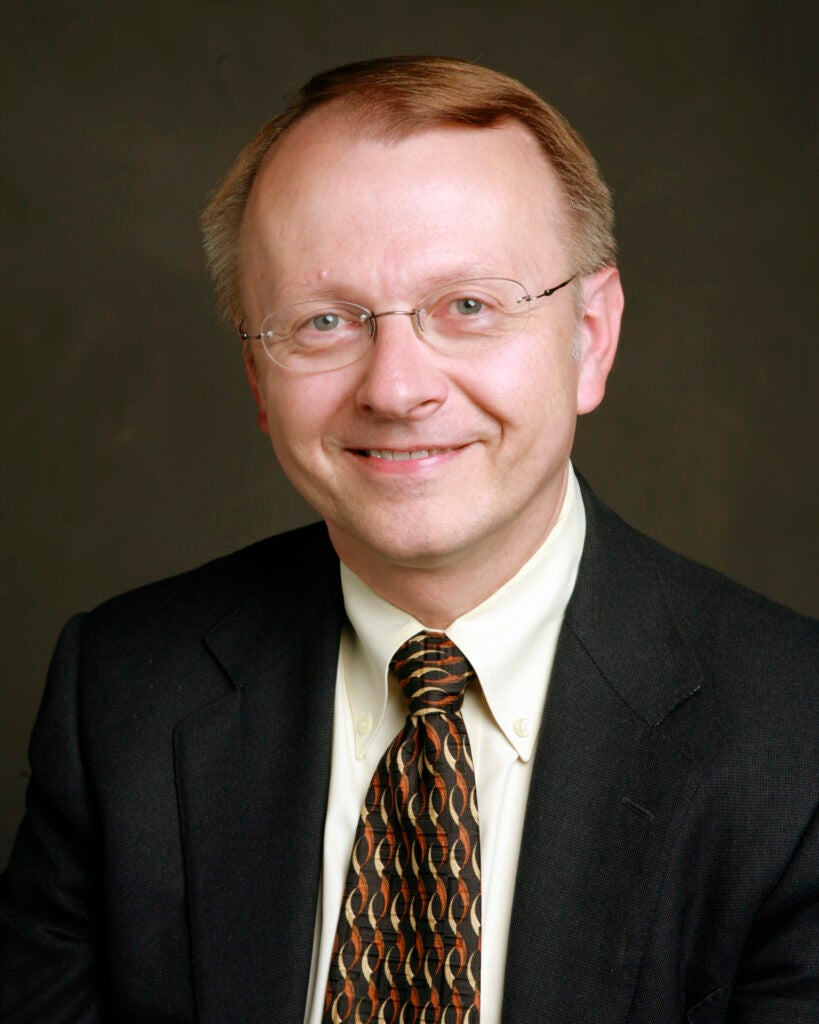
Joseph Verbalis, MD
“Since its inception, GHUCCTS has been closely involved in supporting trainees at multiple levels to ensure that we will have future research teams that can continue the clinical and translational research that our investigators are currently performing,” said Joseph Verbalis, MD, GHUCCTS co-director.
Through the Translational Biomedical Science (TBS) program, GHUCCTS has supported 42 predoctoral students and 24 postdoctoral trainees, a majority of whom received postdoctoral fellowships and faculty positions since its establishment 10 years ago. In addition, the GHUCCTS KL2 Program has supported 26 junior faculty members who subsequently published more than 1,000 papers, received 62 extramural grants and conducted 30 clinical trials.
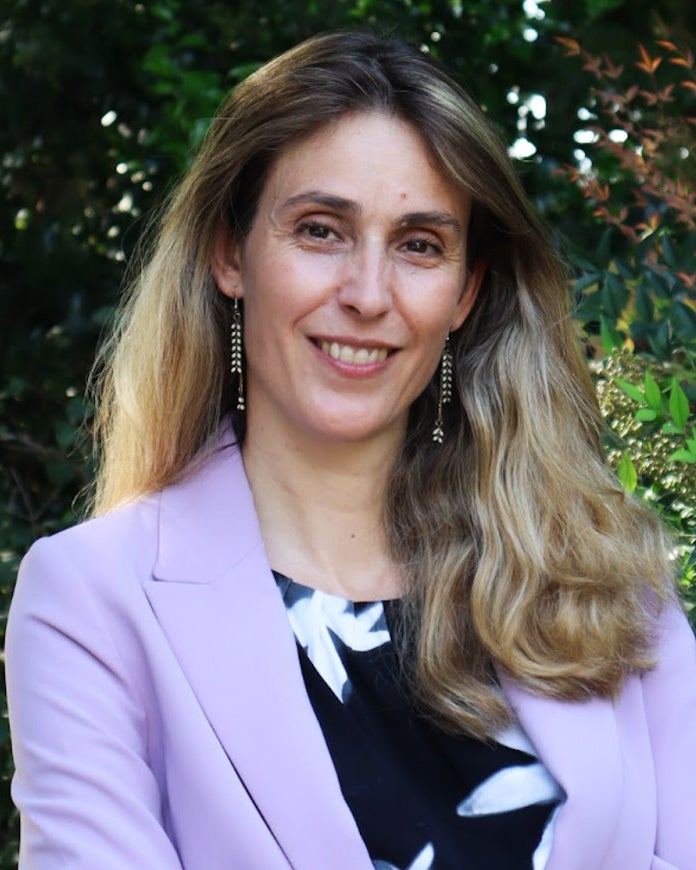
Alejandra Hurtado de Mendoza, PhD
The programs have made a significant impact in the lives of the researchers they have supported. As a KL2 scholar, Alejandra Hurtado de Mendoza, PhD, associate professor in the Cancer Prevention and Control Program at Georgetown’s Lombardi Comprehensive Cancer Center, learned about grant writing and honed her presentation skills. She also made connections with mentors and peers in different disciplines who helped her plan the next steps in her career development.
“I was able to launch my career thanks to the KL2,” Mendoza said. “I cannot say enough about it. It was life-changing for me.”
Encouraging Cross-Discipline Collaborations
While early-career investigators often have mentors within their specific discipline, GHUCCTS connects them with researchers in different areas, promoting collaborations that can lead to the development of important new insights.
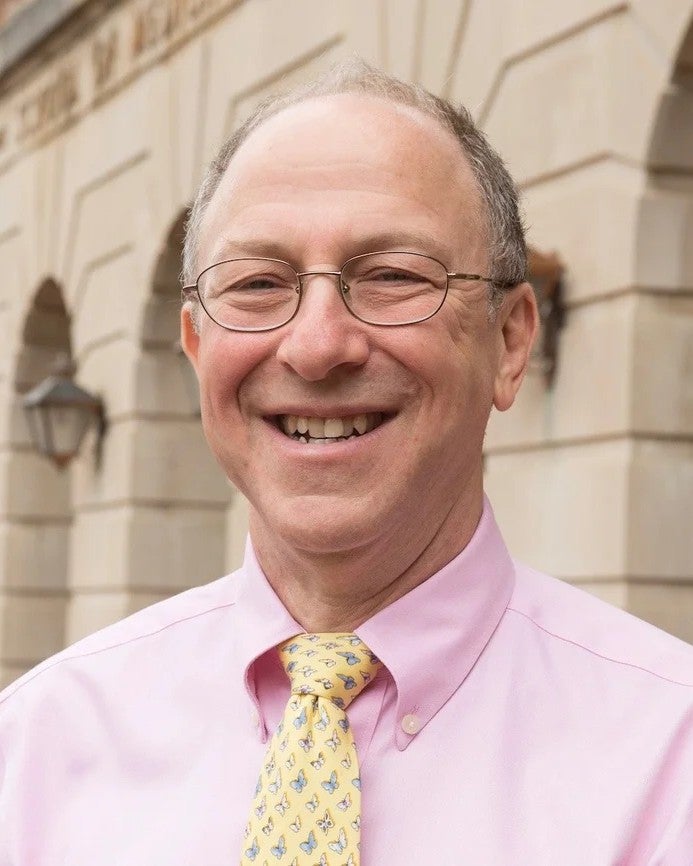
Jason Umans, MD, PhD
“Most of what qualifies as a new discovery in a given area of research is when someone goes outside of their discipline,” said Jason Umans, MD, PhD, director of mentored career and translational workforce development at GHUCCTS. “The more discipline-spanning collaborations you have, the more discovery you’re going to have.”
As a TBS scholar, Aline M.A. de Souza, PhD, was focused on how food restriction impacts blood pressure regulation and the cardiovascular system. Connecting with researchers in another discipline prompted her to consider a new direction for her research.
“My training was in the heart and brain physiology,” de Souza said. “I never liked the kidneys. During the program and over the years, however, I met several nephrologists, which sparked my interest in the kidney and led me to love that organ.”
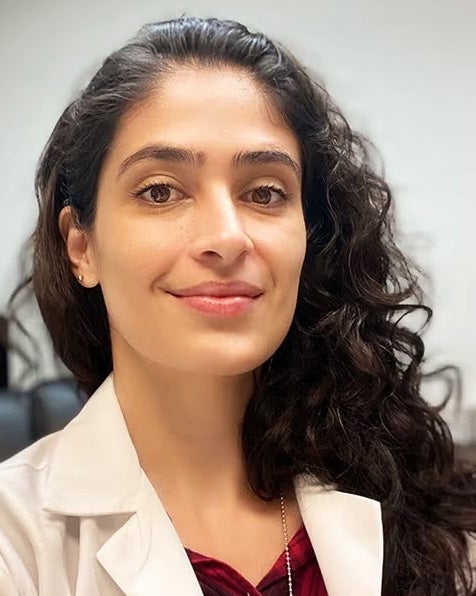
Aline M.A. de Souza, PhD
During the TBS program, de Souza also developed an interest in pregnancy research. “As a student, I met Dr. Crystal West, who taught me everything I know about pregnancy,” she said. “Today, I integrate all of this knowledge in several organ physiologies and apply it to blood pressure regulation in both pregnancy and nonpregnancy states.”
In addition to helping de Souza expand her research interests, being a TBS scholar gave her the skills she needed to advance in her career. “I learned how to write a grant proposal that helped me get funding, learned about networking and collaborations that supported me during my experience, and developed skills in public speaking, presentations, writing and mentoring,” de Souza said.
Now an assistant professor of medicine in the School of Medicine, de Souza is also a KL2 scholar, looking at why people develop cardiovascular and kidney disease after recovering from severe calorie restriction. “I’m trying to establish myself as an independent researcher, showing the importance of my research and training new students to help them grow as I did,” she said.
Empowering Trainees
GHUCCTS training program participants plan a lot of their programming, including professional development workshops about networking, resume writing, interviewing, negotiating job offers, and resilience. “One of the things that I’m most proud of is having the trainees play a big role in each of the workshops,” said Kathryn Sandberg, PhD, director of the TBS program. “We really give them autonomy and empower them.”
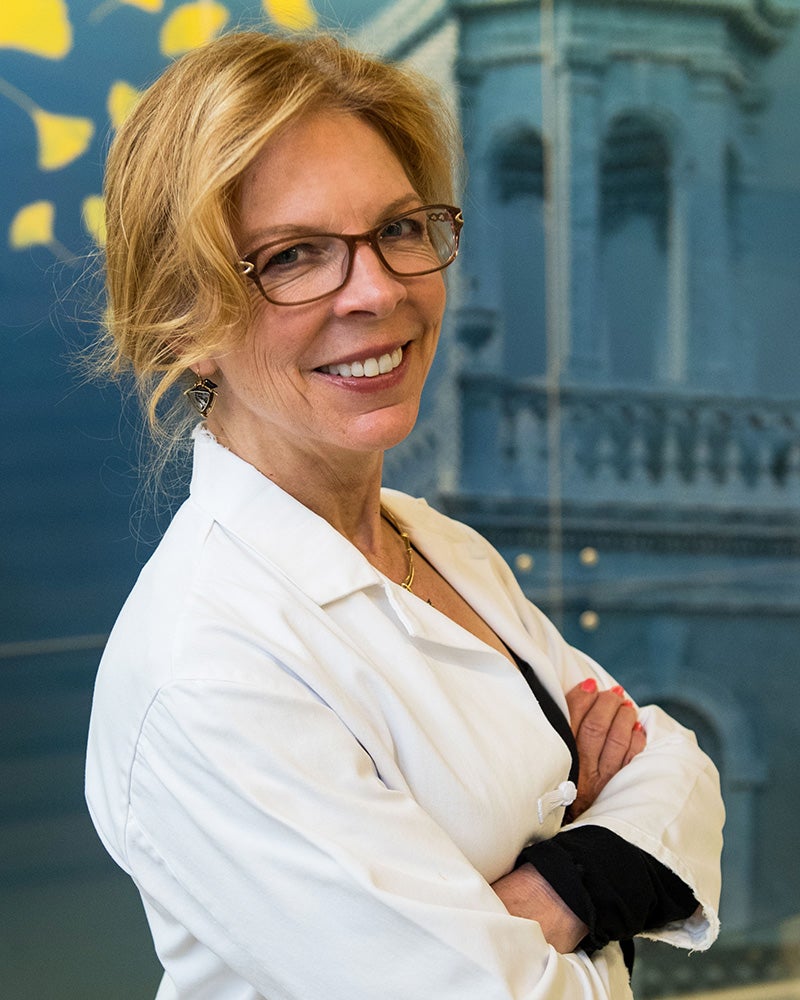
Kathryn Sandberg, PhD
For example, a trainee told Sandberg that she would like to invite Francis Collins, MD, PhD, former NIH director, to speak at a dinner for TBS participants. Sandberg encouraged the trainee to invite him, and Collins agreed to attend.
“It’s empowering for the student to realize that they’re important, that someone distinguished would want to sit with you and talk with them,” she said. “A lot of times, when you’re starting out, you don’t think you have that much to contribute, and this helps you realize that yes, you do, and that self-confidence is important to this type of career.”
During the KL2 program, Mendoza was planning ahead for her next grant application and knew it would be helpful to connect with an expert in implementation science. “I emailed this author of this seminal paper, thinking I don’t know he’ll reply, and he replied,” she said. “He became my mentor.”
“That was career-changing for me,” Mendoza said. “Since then, I have progressively incorporated implementation science into my career.”
Supportive Mentors
Recognizing how important the KL2 program has been in her career, Mendoza chose to become a mentor for KL2 scholars. “The impact that the KL2 program had on my career was so important that I wanted to give back and share my skills,” she said.
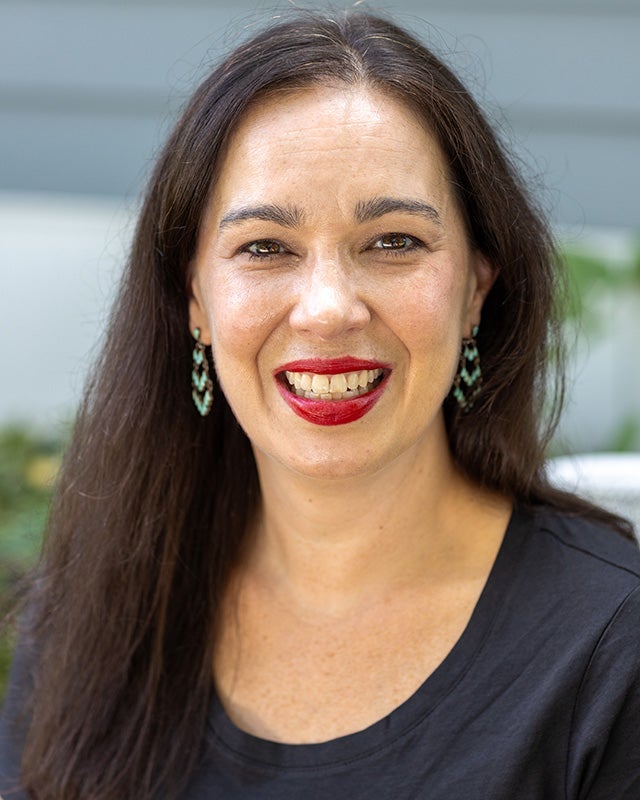
Christina Marea, PhD
One of the KL2 scholars Mendoza mentored is Christina Marea, PhD, the Mary L. and Raymond T. Holden Endowed Professor for Maternal and Infant Health at the Berkley School of Nursing and a TBS program alum.
In the KL2 program, Marea learned how to manage a lab that grew to include a postdoc, medical student research assistants and a research coordinator. “I spent those years on the KL2 really learning to manage a research team, how to move forward a pipeline of manuscripts in a way that was sustainable, how to start writing grants, and conceptualizing a longer-term arc of where I want my research to go,” she said.
“The KL2 program was an incredible asset in terms of becoming a successful researcher,” she said. “The best part of being a KL2 scholar was having time to grow into my faculty role where my time was protected, I had a structured system of support, and I could really spread my wings as a researcher, examining the questions that feel most urgent to me.”
Kat Zambon
GUMC Communications
Top Image Credit: Aleksei Naumov / iStock / Getty Images Plus
Other Image Credits: Georgetown / GHUCCTS